Blog
Continuous Blood Pressure Monitoring Through AI: A New Personalized Approach
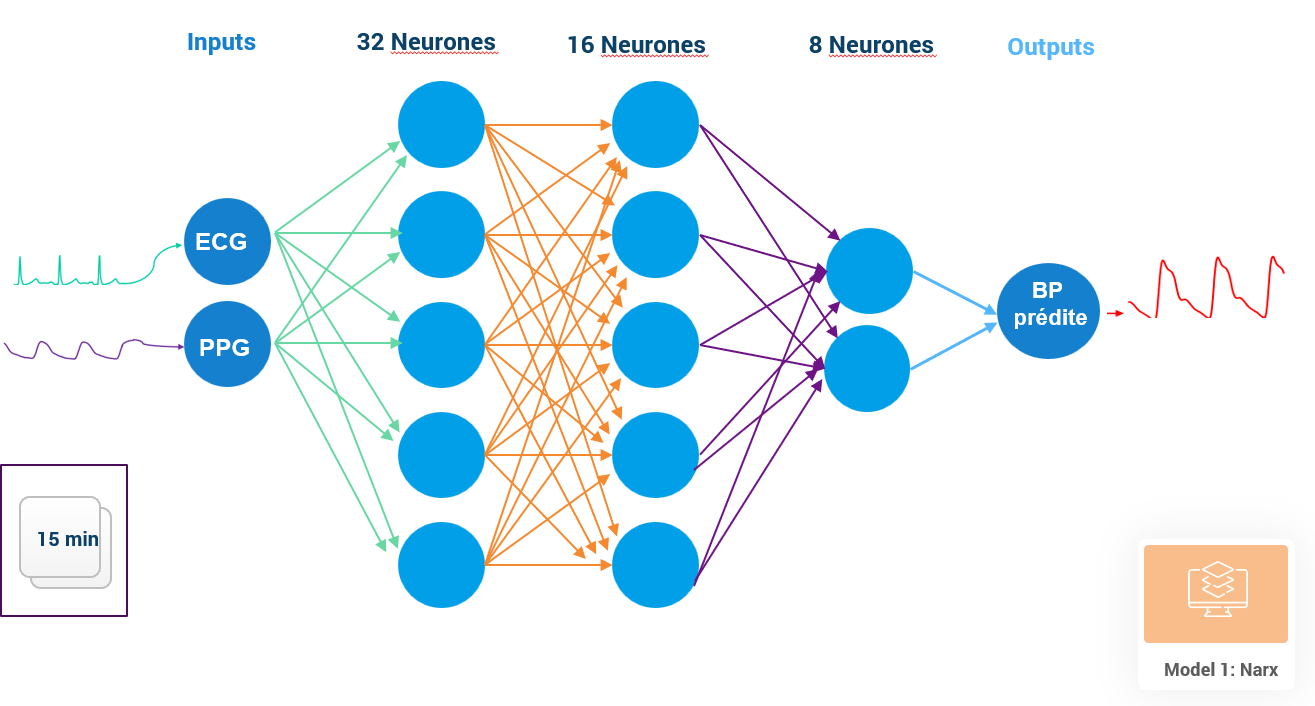
With the rising number of hypertension cases, artificial intelligence is becoming a valuable tool for better understanding how blood pressure evolves throughout the day. Thanks to modern wearable devices, it is now possible to continuously monitor signals such as ECG and PPG. AI analyzes this data and learns to predict blood pressure in a more consistent and personalized way. This new generation of algorithms no longer relies on general models but instead adapts to the unique physiological signals of each individual, providing a much more tailored estimation. This allows people to track their blood pressure variations through a model that reflects their own patterns, making monitoring simpler, more continuous, and closer to real daily conditions.
Mathematics and AI in the Service of Education
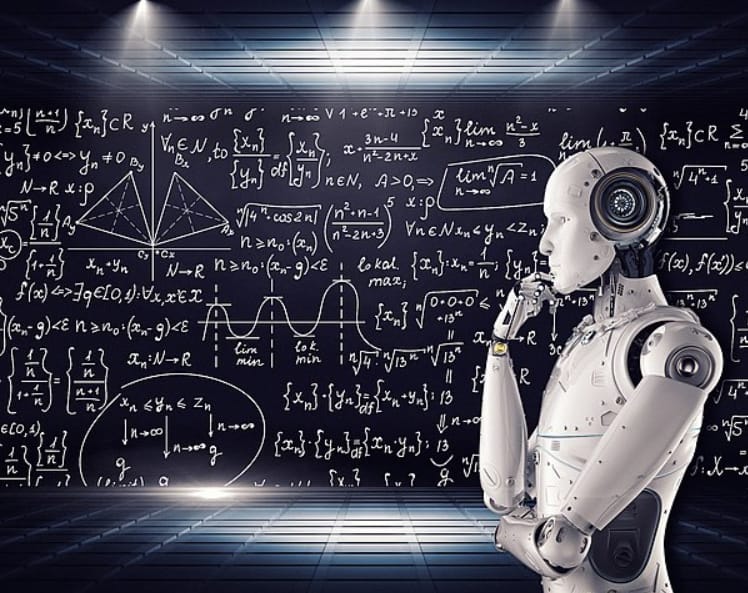
Mathematics forms the scientific foundation of artificial intelligence capable of autonomous learning and teaching.
Stochastic optimization and automatic differentiation enable models to adapt dynamically to each student’s cognitive profile.
Bayesian probability and statistical inference assess real mastery and anticipate potential errors.
Information theory measures the pedagogical relevance of content, balancing novelty and comprehension.
The geometry of representation spaces (embeddings) structures the relationships between concepts, skills, and learners.
Optimal transport organizes coherent transitions between knowledge areas and adjusts individual learning paths.
Finally, numerical analysis ensures the stability, precision, and convergence of intelligent educational models.
AI: A Catalyst for Open and Universal Science
Artificial Intelligence will open a new era for research and higher education.
It will no longer be limited to data analysis: it will be able to explain scientific articles, summarize their essential ideas, and turn them into clear, structured lessons accessible to all students.
Advanced AI models will simplify complex mathematical theories, visualize demonstrations, and make abstract concepts understandable to everyone.
Through numerical simulation, AI will reproduce scientific experiments that many universities cannot perform due to the lack of laboratories or technical resources.
In doing so, it will offer equal learning opportunities to students in less-equipped regions, making science universally accessible.
By automating repetitive and time-consuming tasks, AI will accelerate scientific discovery and unleash creativity and innovation.
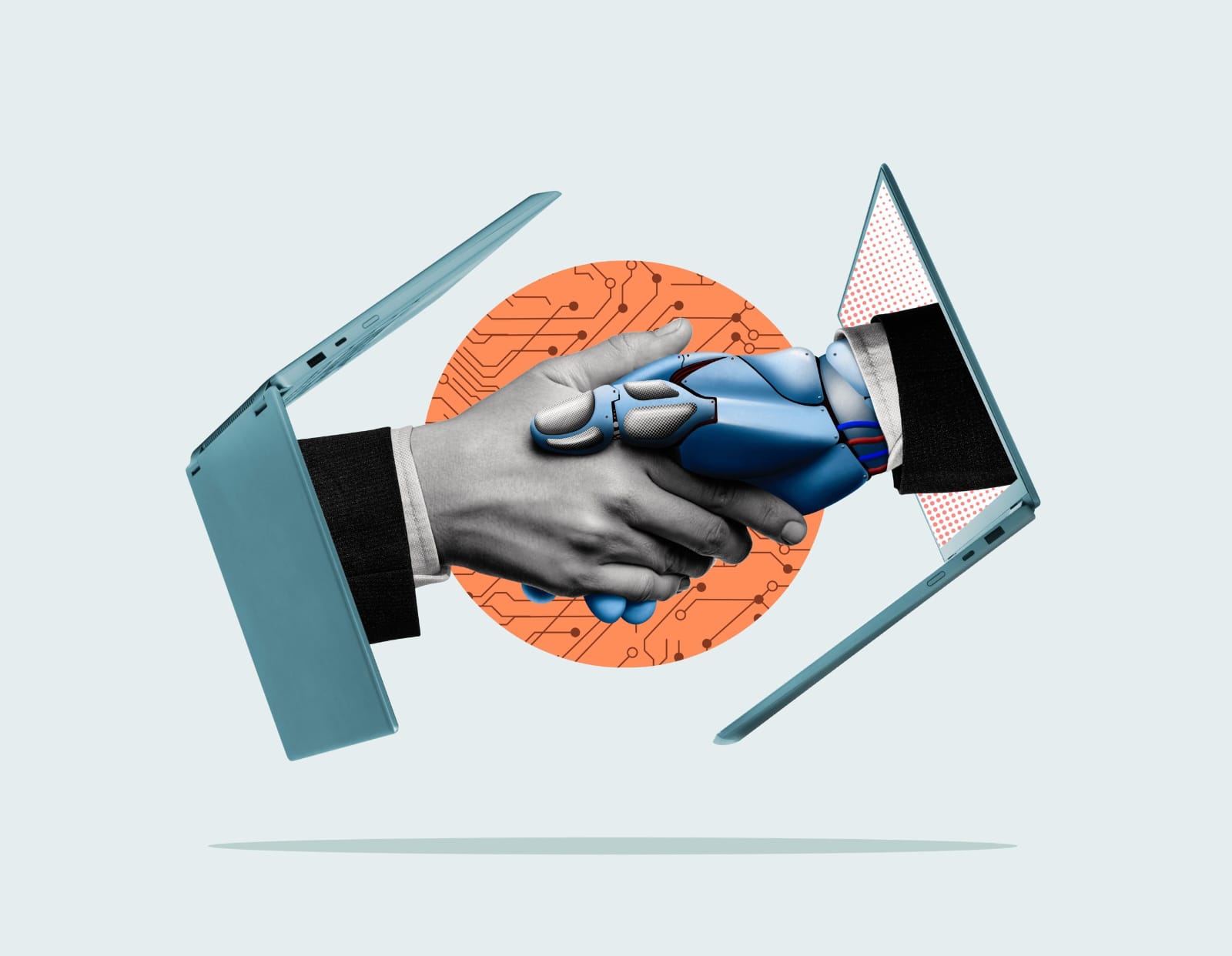
Ultimately, AI will become a true partner in research and education, expanding access to knowledge and reducing scientific inequality worldwide.