Research

Current Research Directions

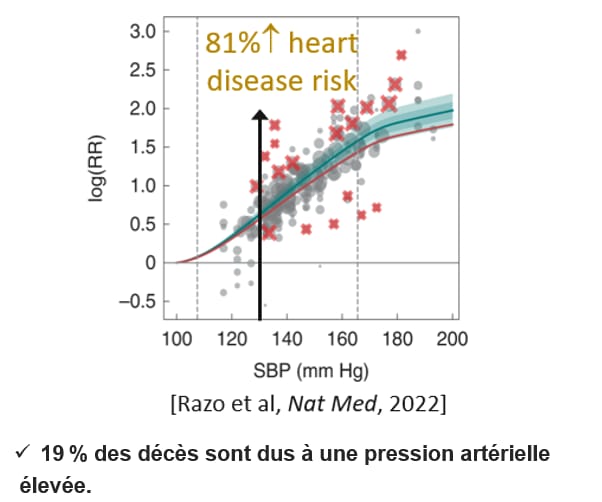
Artificial Intelligence for Healthcare

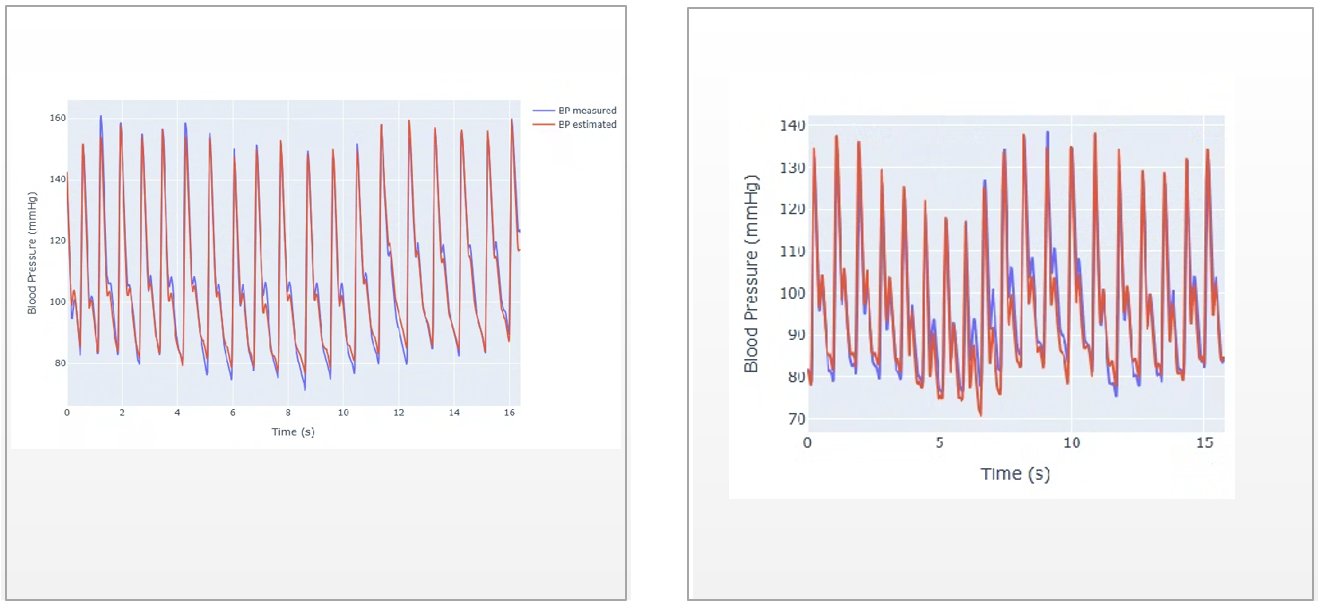
Predictive modeling for hypertension detection, patient risk assessment,
and medical decision support systems.

Natural Language Processing

Language understanding, information extraction, and machine learning for text-based intelligence.

Mathematical Machine Learning

Optimal transport, geometric learning, and high-dimensional modeling.

My current research is guided by a set of open scientific questions that connect mathematics with modern machine learning. These questions reflect the directions I aim to explore in the near future and are meant to invite discussion and collaboration.

How can mathematical structures improve AI models?

For example, can optimal transport or geometric learning help build more stable and principled algorithms?
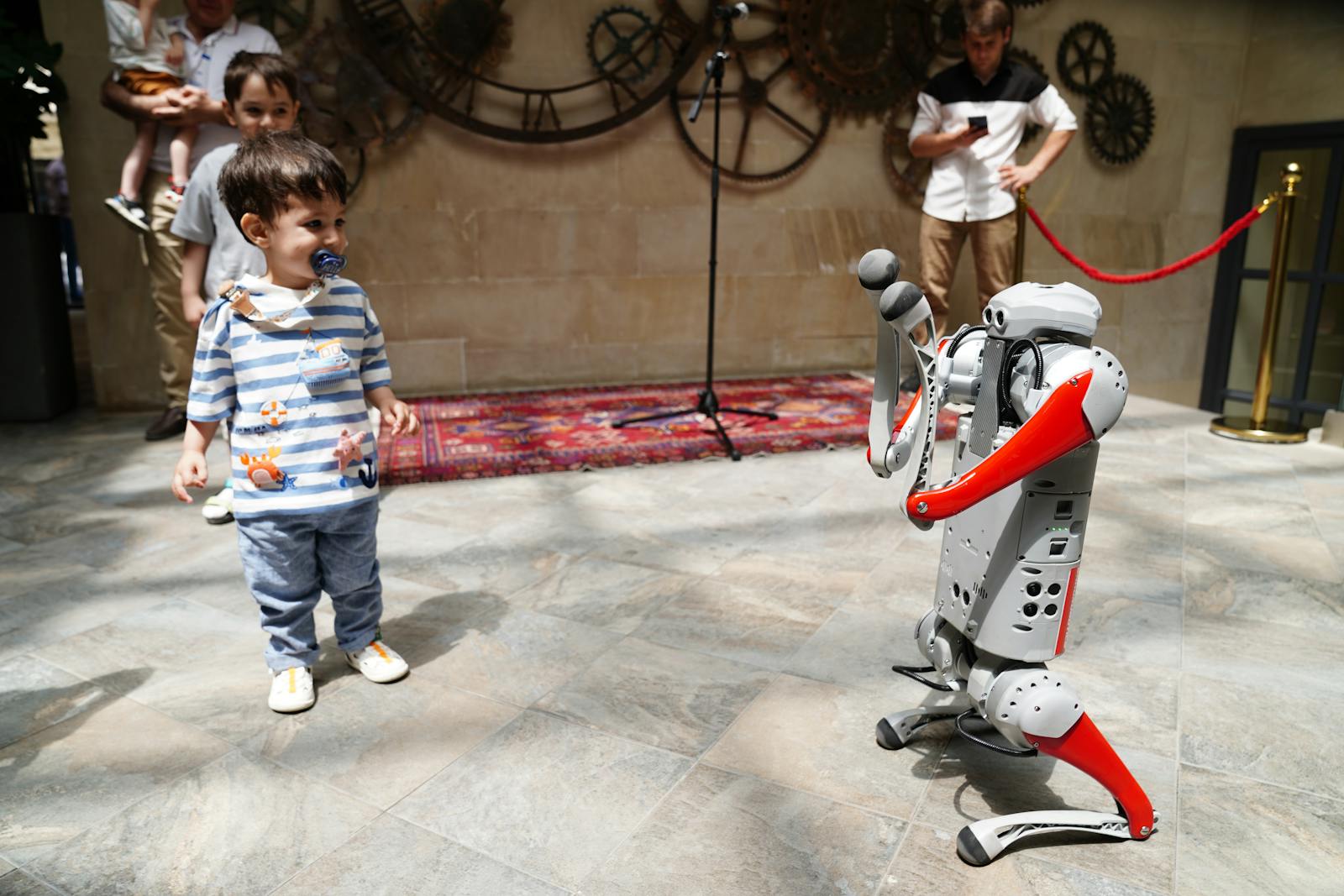
A young boy engages with a humanoid robot during an indoor tech exhibition, symbolizing future innovation.

How can AI contribute to education?

I am particularly interested in how fully AI-driven courses and personalized learning systems may support teaching and accessibility.
Can transform-based methods enrich feature representations?

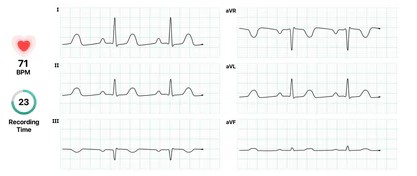
Concepts such as the Fourier transform, fractional Fourier transform, and time–frequency analysis may offer new ways to extract meaningful information from signals and complex data.

These questions remain open on purpose: they guide my exploration at the intersection
of mathematics and artificial intelligence, and I welcome discussions with researchers,
students, and practitioners who share similar interests.

Research Focus

Past Research & Academic Background

My earlier work focused on mathematical analysis and signal processing, providing the foundation for my current interest in artificial intelligence and its mathematical principles.

Random Matrix Theory

Study of large-scale random structures and statistical modeling.

Signal Processing & Integral Transformers

Time-frequency analysis and mathemtical representation
Fourier & Functional Fourier Transformers

Tranform-based methods for complex signal analysis
eye, technology, imagination, communication, interaction, innovation, reality, black technology, black community, black eye, black communication, black innovation, eye, technology, innovation, innovation, innovation, innovation, innovation, reality

Computer Vision & Intelligent Systems

Object detection, visual recognition, and scene understanding

Scroll to Top